| |

5 Common Mistakes Florida Servers Make When Selling Alcohol
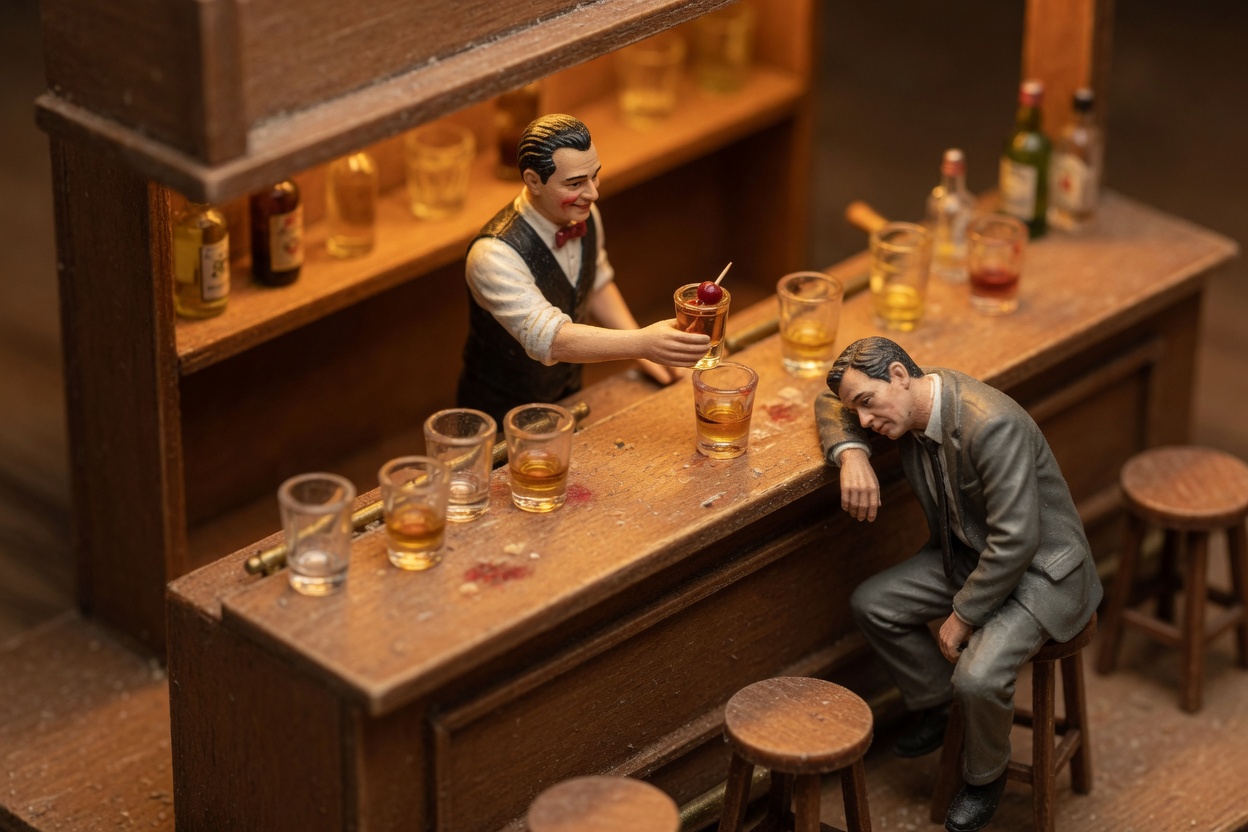
If you work in the restaurant or bar industry in the Sunshine State, you already know that selling alcohol comes with serious legal responsibilities. But even the most experienced servers can slip up — and in Florida, those slip-ups can cost you your job, saddle you with personal fines, or put your employer’s liquor license at risk. Understanding the most common compliance mistakes is the first step toward protecting yourself, your guests, and your livelihood.

TL;DR: Even experienced servers make compliance mistakes that can cost them their job, result in personal fines, or jeopardize their employer’s liquor license. Here are the 5 most common mistakes and how to avoid them.

In this comprehensive guide, we’ll walk through each of the five most frequent alcohol service errors that Florida servers commit, explain why they happen, and give you actionable strategies to stay compliant every single shift. Whether you’re brand new to the industry or you’ve been slinging drinks for a decade, this post is for you.

Florida’s alcohol laws are enforced by the Florida Department of Business and Professional Regulation (DBPR), and violations carry real consequences. Servers who complete a Florida alcohol server training certification are far better equipped to avoid these pitfalls — but training only works if you apply what you’ve learned on the floor.

Mistake #1: Failing to Check ID Properly

Asking for identification sounds like the simplest part of the job. Yet failing to check ID — or checking it incorrectly — remains the single most common compliance violation among Florida servers. The consequences are severe: serving a minor is a second-degree misdemeanor in Florida, punishable by up to 60 days in jail and a $500 fine for a first offense. Repeat offenses escalate quickly.

Not Asking at All

The most obvious version of this mistake is simply skipping the ID check. This usually happens in one of two scenarios:

  • The guest “looks old enough.” This is the number one excuse servers give, and it’s the number one reason they get cited. Appearance is not a reliable indicator of age. A 20-year-old can easily look 28, and your job — and your employer’s license — depends on verifying, not guessing.
  • The regular customer exemption. You’ve served the same guest a dozen times, so you stop carding them. This is a dangerous habit. If that regular brings a friend who turns out to be underage, or if a compliance officer visits and you can’t produce ID documentation, you’re the one on the hook.
  • Busy rush pressure. When the bar is three deep and tickets are piling up, it’s tempting to skip the ID check to speed things up. But a busy Friday night is exactly when undercover compliance checks are most likely.

Accepting Expired or Invalid IDs

Even when servers do ask for ID, many don’t inspect it carefully enough. Common errors include:

  • Accepting an expired driver’s license or identification card. An expired ID is not valid identification under Florida law. Period. If the expiration date has passed, the ID cannot be used to verify age for alcohol purchases.
  • Failing to check the photo match. In a dimly lit bar, it’s easy to glance at an ID and hand it back. But if the photo doesn’t match the person standing in front of you, the ID may be borrowed or stolen.
  • Not recognizing out-of-state or foreign IDs. Florida is a tourist destination, and you’ll see IDs from all 50 states and dozens of countries. A quality training program teaches you what to look for on unfamiliar forms of identification, including holograms, UV features, and formatting conventions.

Not Calculating Age Correctly

This one surprises many servers: simply reading the birth date on an ID and confirming the person is “over 21” isn’t always straightforward, especially when you’re in a hurry. Date format confusion (MM/DD/YYYY vs. DD/MM/YYYY on foreign IDs), transposition errors, and the common mistake of checking only the year without verifying the month and day all lead to compliance failures. The best practice is to use the current date — not your memory — and subtract the birth date systematically. Many POS systems have age-verification calculators built in; use them.

Common Excuses Servers Give

When a server is cited for serving a minor, the explanations tend to follow a predictable pattern:

  1. “They looked 30.”
  2. “They said they left their ID in the car.”
  3. “Their friend showed me their ID and said they were both 21.”
  4. “I was too busy to check.”
  5. “I thought the manager already carded them at the door.”

None of these hold up as a defense. Florida law puts the responsibility squarely on the person who actually serves or sells the alcohol. Completing a responsible vendor program teaches you the specific techniques for verifying age quickly and confidently, turning ID checks into a fast, habitual part of your service routine.


Mistake #2: Over-Serving Intoxicated Guests

Florida law prohibits serving alcohol to any person who is “habitually addicted” to alcohol or to any person who is visibly intoxicated. Yet over-service remains one of the top violations found during compliance inspections. The reasons are complex — servers don’t want confrontation, management pushes for higher sales, and recognizing intoxication is harder than most people think.

Recognizing the Signs of Intoxication

Intoxication doesn’t always look like someone stumbling and slurring. In the early and middle stages, the signs can be subtle. Here’s what trained servers learn to watch for:

  • Behavioral changes: A guest who was quiet and reserved suddenly becomes loud, overly friendly, or argumentative. Mood swings and inappropriate comments are red flags.
  • Physical indicators: Slowed reaction times, fumbling with money or credit cards, unsteady posture, leaning heavily on the bar, spilling drinks, and difficulty keeping their eyes focused.
  • Speech patterns: Slurred words, repetitive statements, speaking more slowly or more loudly than normal, and losing their train of thought mid-sentence.
  • Impaired judgment: Ordering rounds significantly larger than before, insisting they’re “fine to drive,” or making risky comments to other patrons.
  • Eye appearance: Glassy, bloodshot, or unfocused eyes are classic indicators that a guest has had too much.

The challenge is that many of these signs develop gradually over the course of a meal or an evening. That’s why professional training emphasizes continuous monitoring — not just evaluating a guest when they order their first drink, but maintaining awareness throughout their visit.

Pressure from Management

One of the most difficult situations a server faces is pressure from their employer to keep serving. Some managers prioritize drink sales over compliance, especially during peak hours or special events. This creates a no-win scenario for the server: refuse the sale and risk management backlash, or comply and risk personal legal liability.

Here’s what every Florida server needs to understand: your employer cannot shield you from personal liability. Under Florida Statute §562.11, the person who actually serves the alcohol is the one who faces criminal charges. If a manager pressures you to over-serve, document the interaction and remember that your Responsible Vendor Program certification gives you — and your employer — legal protections that only work if you actually follow the training.

How to Handle the Cut-Off Conversation

  1. Be direct but respectful. “I’m not able to serve you another drink right now, but I’d love to get you some water or coffee.”
  2. Avoid accusatory language. Never say “You’re drunk.” Instead, frame it as policy: “It’s our policy that I need to make sure everyone gets home safely.”
  3. Offer alternatives. Food, water, coffee, and soft drinks all give the guest something to hold and sip while the alcohol processes through their system.
  4. Enlist your team. Let your manager know discreetly so they can back you up if the guest escalates. A united front is much harder to argue with.
  5. Stand your ground. The guest may get angry, but giving in teaches them that complaining works. Consistency is key.
  6. Arrange safe transportation. Offer to call a cab or rideshare. This protects the guest, other drivers, and your establishment’s liability.

A comprehensive Florida alcohol sales server training program covers these techniques in depth, including role-playing scenarios that build confidence for real-world cut-off conversations.


Florida doesn’t have a single, statewide rule for when alcohol sales must stop. Instead, the hours of sale vary by county and even by the type of establishment. This patchwork of regulations catches servers off guard more often than you’d expect.

County-by-County Variations

In many Florida counties, alcohol can be sold from 7:00 AM to 2:00 AM. However, some counties — particularly those that have voted to allow extended hours — permit sales until 3:00 AM or later. For example:

  • Miami-Dade County: Alcohol sales are permitted 24 hours a day, seven days a week, in many establishments.
  • Most other counties: The standard window is 7:00 AM to 2:00 AM, but local ordinances may add restrictions on Sundays or holidays.
  • Dry or partially dry counties: While increasingly rare, some Florida jurisdictions still have restrictions on alcohol sales. Always verify the rules where you work.

If you move from one county to another — a common situation in a state with so much seasonal and tourism-driven workforce mobility — don’t assume the rules are the same. Check your local ordinance or ask your employer’s management team to confirm.

The “Serving After Hours” Trap

Serving alcohol after the legally permitted hours is a strict liability violation. It doesn’t matter that the guest ordered before last call, that the kitchen is still open, or that the guest “just needs one more.” Once the clock hits the legal cutoff, you must stop pouring. Common mistakes include:

  • Allowing guests to “finish” drinks past the cutoff. While some jurisdictions allow a grace period for consumption on-premises, the key is that no new drinks can be served or poured after the legal hour.
  • Starting a round at 1:58 AM. If it takes you three minutes to prepare the drinks, you’re serving at 2:01 AM. Build in a buffer.
  • Ignoring the time zone. In the Florida Panhandle, the Central Time Zone boundary means that establishments near the line need to be especially careful about which time zone their county observes.

The “Last Call” Mentality

Many servers treat last call as a signal to rush and cram in as many orders as possible. This leads to two problems: over-service of guests who are already impaired, and the risk of accidentally serving after the legal cutoff. A better approach is to announce last call 15 to 20 minutes before the actual deadline, give guests clear options, and stop taking new orders with enough time to prepare and deliver them legally. Responsible vendor training programs teach specific last-call workflows that keep you compliant while still maximizing revenue during those final minutes.


Mistake #4: Ignoring Third-Party Purchases

A third-party purchase — also called a “straw purchase” — occurs when a person of legal drinking age buys alcohol on behalf of someone who is underage. This is illegal in Florida, and servers who facilitate or ignore it face the same penalties as if they served the minor directly.

Why This Mistake Is So Common

Third-party purchases are difficult to catch because the actual transaction looks perfectly legal. The person ordering is 21 or older, presents valid identification, and pays for the drinks. The problem only becomes apparent when you notice that the drinks are being passed to someone who hasn’t been carded — or who was carded and turned out to be underage.

In busy environments, servers focus on taking orders, making drinks, and running food. Watching what happens to a drink after it’s been delivered feels like someone else’s responsibility. But legally, it’s yours.

Signs to Watch For

Experienced, trained servers learn to spot the patterns that signal a potential straw purchase:

  • An older guest ordering multiple drinks while a younger-looking companion orders nothing. This is the classic pattern. If one person at the table is ordering for the whole group, investigate.
  • Handing drinks off immediately. When a guest picks up a drink and immediately slides it across the table or turns to hand it to someone else, that’s a red flag.
  • The “designated driver” who isn’t drinking but is surrounded by people who are underage. Some groups use the oldest person as the buyer and rely on the server not noticing the age gap.
  • Nervous or evasive behavior. If a guest seems uncomfortable when you approach the table or tries to position themselves between you and their companions, something may be off.
  • A group that splinters when the server approaches. Minors who know the purchase is illegal will sometimes scatter or suddenly become very interested in their phones when a server walks by.

How to Handle the Situation

If you suspect a third-party purchase, take the following steps:

  1. Card the suspected minor directly. Walk over and politely ask for identification from everyone who appears underage at the table. Don’t single out one person — ask the whole group.
  2. If the minor can’t produce valid ID, refuse to serve the table. Explain that you need to verify the age of everyone who will be consuming alcohol.
  3. Notify your manager immediately. This creates a record that you took action, which protects you legally.
  4. Document the interaction. Write down what you observed, who you spoke with, and how the situation was resolved. Many establishments have incident report forms for exactly this purpose.
  5. Do not return the alcohol. If you’ve already poured or delivered drinks, do not allow them to remain on the table where the minor could access them. Remove the drinks.

The key principle is simple: you have the right — and the legal responsibility — to refuse any sale you believe may result in alcohol being consumed by a minor. Training through a recognized program like the one offered by Dash Authority’s Florida alcohol server certification builds the confidence and instincts to act on this responsibility without hesitation.


Mistake #5: Skipping or Neglecting Responsible Vendor Training

Florida’s Responsible Vendor Program (RVP) is one of the most important legal protections available to both servers and their employers. Under Florida Statute §561.701, establishments that ensure their employees complete an approved RVP training course receive an “affirmative defense” against certain alcohol-related violations. In plain English: if something goes wrong, having trained, certified staff gives your employer a legal shield — and gives you, the server, the knowledge to prevent the incident in the first place.

The “Experience Replaces Certification” Myth

The most dangerous misconception in the industry is that years of experience substitute for formal training. Seasoned servers often resist certification because they feel they already know everything the course covers. This attitude creates two problems:

  1. No legal protection. A server with 20 years of experience but no RVP certification does not provide their employer with the affirmative defense. In the event of a violation, the establishment faces the full weight of the law without that protection.
  2. Knowledge decay. Laws change. Best practices evolve. What was acceptable a decade ago may not be compliant today. A 2026 training course reflects current Florida law, current enforcement priorities, and current techniques. Experience alone doesn’t guarantee that.

The Legal Gap This Creates

When an establishment employs servers who are not RVP-certified, every alcohol transaction those servers handle is a potential liability gap. Consider this scenario: a server without certification serves a guest who subsequently causes a drunk-driving accident. The injured party sues the establishment. Without RVP certification on file, the employer cannot invoke the affirmative defense under §561.701. The lawsuit becomes significantly more damaging — and the server’s job is almost certainly lost in the process.

Now consider the same scenario with a certified server. The employer can demonstrate that they maintained a Responsible Vendor Program, that the server was trained within the required timeframe, and that proper procedures were in place. This doesn’t make the establishment immune to litigation, but it dramatically improves their legal position — and it protects the server’s career.

What Happens When You Let Certification Lapse

RVP certification in Florida must be renewed. Many servers complete the initial training, file the certificate, and forget about it. When the renewal window passes without completing a refresher course, the certification lapses — and the legal protection lapses with it. Set a calendar reminder, track your expiration date, and renew before the deadline. It’s a small investment of time that pays enormous dividends in protection.


How Proper Training Prevents These Mistakes

Each of the five mistakes outlined above shares a common root cause: a gap in knowledge, habits, or confidence. A quality Responsible Vendor Program training course addresses all three.

What Good RVP Training Covers

A state-approved Responsible Vendor Program course — like the one available through Dash Authority — covers the following core topics:

  • Florida alcohol laws and regulations. You’ll learn the specific statutes that govern alcohol sales in your state, including hours of sale, ID requirements, and penalties for violations.
  • ID verification techniques. How to read and evaluate every form of valid identification, spot fakes and borrowed IDs, and calculate age accurately under pressure.
  • Recognizing intoxication. Detailed training on the behavioral, physical, and verbal signs of impairment at every stage, plus techniques for continuous monitoring throughout a guest’s visit.
  • Intervention and cut-off strategies. Practical, role-play-tested methods for cutting off guests, de-escalating confrontations, and arranging safe transportation.
  • Third-party purchase awareness. How to spot straw purchases, when to intervene, and how to document your actions.
  • Liability and consequences. A clear explanation of what’s at stake — for you personally, for your employer, and for the community — when alcohol service laws are violated.

How Training Builds Habits

The goal of RVP training isn’t to hand you a list of rules and send you back to work. It’s to build habits — automatic behaviors that kick in without conscious thought when the situation demands it. When you’ve practiced ID checks hundreds of times in training, checking ID becomes as natural as pouring a beer. When you’ve rehearsed cut-off conversations, delivering one on a busy Saturday night feels routine rather than terrifying.

Good training also builds situational awareness. You learn to scan the room, not just your ticket rail. You develop the instinct to notice the guest in the corner who’s had three whiskeys in 30 minutes, or the table where everyone is ordering except the youngest-looking person. These instincts save careers, prevent tragedies, and keep establishments in business.


Protecting Yourself and Your Employer

Let’s bring everything together. Here’s a summary of the best practices that every Florida server should follow on every single shift:

  1. Card everyone. Every time. No exceptions. Make ID verification an unbreakable habit. Check every guest who appears under 40 (or whatever your establishment’s policy requires), verify the expiration date, confirm the photo matches, and calculate the age correctly.
  2. Monitor your guests continuously. Don’t just evaluate intoxication at the point of sale. Keep an eye on consumption patterns, behavioral changes, and physical indicators throughout the visit.
  3. Know your county’s hours of sale. Post the legal cutoff time where you can see it, build a buffer into your last-call routine, and never serve past the legal deadline.
  4. Watch for third-party purchases. If something feels off about who’s drinking and who’s buying, trust your instincts and card the whole group.
  5. Get — and keep — your RVP certification current. Complete a state-approved Responsible Vendor Program course within 30 days of hire (as required by law for new employees) and renew before it expires.
  6. Communicate with your team. If you cut off a guest, tell your manager. If you suspect a straw purchase, alert your colleagues. Compliance is a team sport.
  7. Document everything. Incident reports, cut-off logs, and ID verification records protect you and your employer if questions arise later.
  8. Never let pressure override your judgment. If a manager tells you to serve someone you’ve cut off, stand firm. Your personal legal liability doesn’t disappear because your boss told you to pour the drink.

The combination of proper training, consistent habits, and a supportive team culture is the most effective defense against compliance violations. If you haven’t completed your Responsible Vendor Program certification yet — or if your certification has lapsed — now is the time to act. The Florida alcohol server training and certification course from Dash Authority is available 100% online, takes approximately 2–3 hours, and costs around $15. It’s one of the smallest investments you can make in your career, and it delivers outsized returns in legal protection, professional confidence, and peace of mind.


Frequently Asked Questions

What is the most common alcohol service mistake in Florida?

The most common mistake is failing to properly check identification. Many servers either skip the ID check entirely for guests who appear old enough or accept expired or invalid forms of ID. This single error accounts for more compliance citations than any other violation in the state.

Can I be personally fined for over-serving a customer in Florida?

Yes. Under Florida law, servers can face personal fines and criminal charges for willfully serving alcohol to a visibly intoxicated person or a minor. These penalties are separate from any action taken against the establishment. A first offense can result in fines up to $500 and potential jail time.

How can I tell if a customer is intoxicated?

Signs of intoxication include slurred speech, impaired coordination, glassy or bloodshot eyes, loud or aggressive behavior, and difficulty making decisions. Responsible Vendor training teaches you to recognize these signs early and intervene safely before the situation escalates.

What should I do if I suspect a third-party purchase?

If you suspect an adult is buying alcohol for a minor, you have the right and responsibility to refuse the sale. Politely inform the customer that you cannot complete the transaction, card everyone at the table, and notify your manager immediately. Document the interaction in an incident report.

Does experience replace the need for alcohol server training?

No. While experience is valuable, it does not provide the legal protections that Responsible Vendor Program certification offers. Only RVP-certified staff give their employer the affirmative defense protection under Florida law. Additionally, laws and best practices change over time, and formal training ensures you stay current.

How do I get certified to serve alcohol in Florida?

Complete a state-approved Responsible Vendor Program training course. The course is available 100% online, takes about 2–3 hours, and costs around $15. Dash Authority offers an approved course with instant certification upon passing. Visit Dash Authority’s Florida alcohol server training page to get started today.


Compliance isn’t just about avoiding fines — it’s about building a professional career you can be proud of. When you take your responsibilities seriously, you protect your guests, your community, your employer, and yourself. Don’t wait for a violation to remind you why this matters. Get trained, stay current, and make every shift a safe one.

More from Dash Authority